🛢️⛽️ Trump Should Take Over 99.9% Iran And Venezuela Oil Production And Management As Reparations From Iran And Venezuela Genoside, Violence, Threats And Intimidations Against America That Don’t Stop— Make China Pay Reparations To America By Canceling Trillions In Debt Incurred By America Borrowing From China: 🔴Fentanyl Deaths Destabilizing American Populations 🔴Chinese Illegal Foreigner Immigrants Insurgents On American Soil Destabilizing American Populations And Planting Chinese Citizens In Place Of American People https://kidsworldplus.blogspot.com/2026/04/trumpet-should-take-over-big-percent-of.html?m=1
𝒜 𝒫𝓁𝒶𝒸𝑒 𝐹𝑜𝓇 𝐻𝑜𝓅𝑒 𝒶𝓃𝒹 𝒟𝓇𝑒𝒶𝓂𝓈 ~ All books by Laurel Sobol available Online at Barns and Noble Books https://www.youtube.com/watch?v=qbnMFe6GFfg ♥️Oregon Author ♥️Mom Homeschooler ♥️American Business Woman ♥️American Artist & Poet ♥️The Magical Fairytales ♥️OLT Organic Lifestyle Today ♥️Nez Perce📚 ♥️Mysteries Of Topanga Canyon ♥️Little House Of Miracles Barnes and Noble have all Laurel Sobol books available
🛢️⛽️ 🛢️⛽️ 🛢️⛽️ 🛢️⛽️ 🛢️⛽️
Trump Should Take Over 99.9% Iran And Venezuela Oil Production And Management As Reparations From Iran And Venezuela Genoside, Violence, Threats And Intimidations Against America That Don’t Stop— Make China Pay Reparations To America By Canceling Trillions In Debt Incurred By America Borrowing From China:
🔴Fentanyl Deaths Destabilizing American Populations
🔴Chinese Illegal Foreigner Immigrants Insurgents On American Soil Destabilizing American Populations And Planting Chinese Citizens In Place Of American People
🔴 Special Note: All lawmakers and entities including Obama, Biden, Harris need to provide reparations to the American people for their part in not stopping the open borders they created allowing military insurgence into America by all parties crashing through American borders illegally
More than a million Americans have died from overdoses during the opioid epidemic


Deaths due to drug overdose have topped a million for the first time since the Centers for Disease Control and Prevention began collecting data on the problem more than two decades ago.
A study released Thursday by the National Center for Health Statistics, a division of the CDC, found that 932,364 people died in the U.S. from fatal overdoses from 1999 through 2020.
Separate preliminary data from the CDCshows another 100,000 drug deaths expected in 2021.
Unlike the COVID-19 pandemic, which hit elderly Americans hardest, researchers found drug deaths have risen fastest among the young and middle-aged adults struggling with addiction.
"Among adults aged 35–44, the age group with the highest rates, drug overdose deaths increased 33% from 2019 to 2020," the report found. Men are also more vulnerable than women, it said.


The opioid epidemic began in the late 1990s when the pharmaceutical and health care industries started marketing and prescribing highly addictive painkillers far more aggressively.
In recent years, most overdose deaths have involved illicit fentanyl, a powerful synthetic opioid, as well as cocaine and methamphetamines.
After public health officials made some early progress in reducing drug deaths, researchers found overdoses began rising again after 2013 with a sharp increase in fatalities during the first year of the pandemic.


Young people ages 15-24 saw the biggest year-to-year increase of fatal overdoses with deaths up 49% in 2020.
The Biden administration has scrambled in recent months to try to slow the rate of drug deaths, in part by making medical treatment more widely available for people with addiction.
Last month, the first safe consumption site in the U.S., where people can use street drugs under medical supervision, opened in New York City.
Despite the growing death rate, public health "harm reduction" strategies for people with addiction have faced resistance and legal challenges around the country.
Fentanyl Overdose Deaths in US 2025 | Key Facts
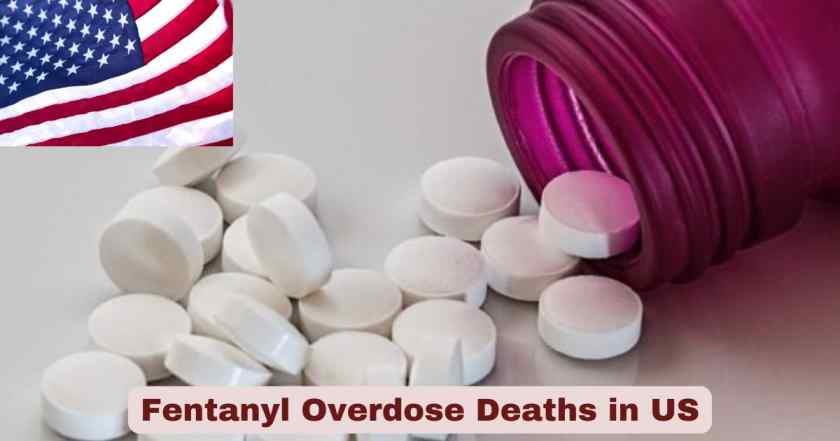
Fentanyl Overdose Crisis in America 2025
The fentanyl overdose epidemic continues to be one of the most critical public health emergencies facing the United States in 2025, though recent data reveals unprecedented progress in reducing fatal overdoses. According to the Centers for Disease Control and Prevention’s provisional data released in September 2025, the nation experienced approximately 76,516 drug overdose deaths for the twelve-month period ending in April 2025, representing a remarkable 24.5% decline compared to the previous year. This dramatic reduction translates to more than 70 lives saved every single day throughout 2024, marking the most substantial improvement in overdose mortality since synthetic opioids dominated the illicit drug supply beginning around 2013.
The current trajectory of fentanyl-related deaths represents a pivotal turning point in America’s decades-long battle with opioid addiction. While synthetic opioids, primarily illicitly manufactured fentanyl, accounted for approximately 69% of all overdose deaths in 2023 with 72,776 fatalities, the downward trend accelerated throughout 2024 and into early 2025. This progress reflects the cumulative impact of comprehensive public health interventions, including widespread distribution of naloxone (the overdose-reversing medication), expanded access to medication-assisted treatment programs, improved surveillance systems through the CDC’s Overdose Data to Action program, and shifts in the illegal drug supply. Despite these encouraging developments, fentanyl overdose remains the leading cause of death for Americans aged 18-44 years, underscoring the ongoing need for sustained prevention efforts, treatment expansion, and harm reduction strategies across all communities nationwide.
Key Fentanyl Overdose Statistics and Facts in the US 2025
| Statistic Category | 2023 Data | 2024-2025 Data | Change |
|---|---|---|---|
| Total Drug Overdose Deaths (12 months ending April 2025) | 101,400 deaths | 76,516 deaths | -24.5% decline |
| Synthetic Opioid Deaths (Fentanyl-Related) 2023 | 72,776 deaths | Estimated 48,422 (2024 projected) | -36.5% decrease |
| Deaths Prevented Daily in 2024 | Baseline comparison | 70+ lives saved | 27,000+ annual lives saved |
| States Showing Decline | N/A | 45 out of 50 states | 90% of states |
| Leading Age Group for Fentanyl Deaths 2023 | 35-44 years: 20,344 deaths | Declining across demographics | 28% of total deaths |
| Fentanyl Potency vs Heroin | 50 times stronger | 50 times stronger | Unchanged |
| Fentanyl Potency vs Morphine | 100 times stronger | 100 times stronger | Unchanged |
| Lethal Fentanyl Dose | 2 milligrams | 2 milligrams | Unchanged |
| Percentage of Overdose Deaths Involving Opioids 2023 | 76% involved opioids | 69% involved synthetic opioids | Decreased proportion |
| Peak Overdose Crisis Period | August 2023: 114,664 deaths | Significant decline since | -32% from peak |
| Youth Overdose Deaths (Under 35) 2024 | 31,000 (2021 baseline) | 16,690 deaths | -46% reduction |
| Teens Fatal Overdose Reduction 2024 | Baseline 1,500-2,000 annual | 40% fewer teens | Historic decline |
| Ages 20-29 Overdose Risk Reduction | Previous baseline | 47% risk reduction | Cut nearly in half |
Data Source: Centers for Disease Control and Prevention (CDC) National Vital Statistics System, National Institute on Drug Abuse (NIDA), CDC Newsroom Releases February-September 2025
The data presented above reflects the most comprehensive and current fentanyl overdose statistics available from official United States government sources as of December 2025. These numbers demonstrate both the severity of the crisis and the remarkable progress achieved through coordinated public health interventions. The 24.5% decline in drug overdose deaths represents an unprecedented shift, with the twelve-month period ending in April 2025 recording 76,516 deaths compared to over 101,400 deaths in the comparable previous period. This translates to approximately 27,000 fewer deaths in a single year, marking the most significant improvement since the fentanyl epidemicintensified.
The breakdown reveals that synthetic opioids, predominantly illicitly manufactured fentanyl, remain the primary driver of overdose mortality, though deaths specifically attributed to these substances declined dramatically from 72,776 in 2023to an estimated 48,422 in 2024, representing a 36.5% decrease. The fact that fentanyl is 50 times more potent than heroin and 100 times stronger than morphine makes even microscopic quantities lethal, with just 2 milligramscapable of causing death. Geographic analysis shows that 45 of 50 states reported declining death rates, though five states—Alaska, Montana, Nevada, South Dakota, and Utah—experienced increases, highlighting persistent regional challenges. The most dramatic improvements occurred among younger Americans, with those under age 35experiencing a 46% reduction in fatal overdoses, declining from over 31,000 deaths in 2021 to approximately 16,690 in 2024. Young adults ages 20-29 saw their overdose risk cut by 47%, while teenagers experienced a historic 40% decline, demonstrating that prevention efforts are particularly effective among younger populations.
National Fentanyl Overdose Death Trends in the US 2025
| Time Period | Total Overdose Deaths | Synthetic Opioid Deaths | Rate per 100,000 | Year-over-Year Change |
|---|---|---|---|---|
| 2019 | 70,630 | 36,359 | N/A | Baseline reference |
| 2020 | 91,799 | 56,516 | N/A | +29.9% increase |
| 2021 | 106,699 | 70,601 | 32.4 | +16.2% increase |
| 2022 (Peak Year) | 107,941 | 73,838 | 32.6 | +1.2% increase |
| 2023 | 105,007 | 72,776 | 31.3 | -2.7% decrease |
| Oct 2023-Sept 2024 | 87,000 | Estimated 60,000 | Declining | -24% decrease |
| 12 months ending Jan 2025 | 82,138 | N/A | Declining | Slight uptick noted |
| 12 months ending April 2025 | 76,516 | N/A | Declining | -24.5% from prior year |
| States with Increases 2025 | Alaska, Montana, Nevada, South Dakota, Utah | 5 states total | Varies by state | Against national trend |
| States with Decreases 2025 | 45 states + DC | Majority nationwide | Varies by state | 90% of jurisdictions |
Data Source: CDC National Center for Health Statistics (NCHS), CDC WONDER Database, CDC Newsroom February-September 2025, NPR Analysis June 2025
The national trend data reveals a complex trajectory of the fentanyl crisis over the past six years, with deaths rising dramatically from 2019 through 2022 before beginning a sustained decline starting in mid-2023. The period from 2019 to 2022 witnessed a devastating surge, with total drug overdose deaths increasing by 52.8% from 70,630 to 107,941, while synthetic opioid deaths more than doubled from 36,359 to 73,838. The sharpest single-year increase occurred between 2019 and 2020, when deaths jumped by nearly 30%, coinciding with the COVID-19 pandemic and widespread fentanyl contamination of the drug supply.
The pivotal year of 2022 marked the peak of the crisis, with 107,941 total overdose deaths and 73,838 synthetic opioid deaths, representing an age-adjusted rate of 32.6 deaths per 100,000 population. Beginning in 2023, the nation experienced its first meaningful decline, with deaths dropping to 105,007 and the rate falling to 31.3 per 100,000, a 2.7% decrease that signaled a potential turning point. This downward trend accelerated dramatically throughout 2024, with the twelve-month period ending in September 2024recording approximately 87,000 deaths, a remarkable 24% reduction from the previous comparable period when deaths exceeded 114,000. The latest available data covering the twelve months ending in April 2025 shows 76,516 deaths, representing a continued 24.5% decline and marking the lowest overdose toll in any twelve-month period since June 2020. Geographic analysis reveals that 45 states and Washington DC experienced declining death rates, though five states—Alaska, Montana, Nevada, South Dakota, and Utah—bucked the national trend with increases, likely reflecting rural healthcare access challenges and evolving local drug supply dynamics. CDC Director Dr. Allison Arwady characterized this decline as “unprecedented,” noting that more than 27,000 fewer deaths in a single year equates to saving over 70 American lives every single day throughout 2024.
Age-Specific Fentanyl Overdose Deaths in the US 2025
| Age Group | 2023 Deaths | 2024 Estimated Deaths | Percentage of Total | Deaths per 100,000 | Change from Prior Year |
|---|---|---|---|---|---|
| Under 18 (Teens) | 1,500-2,000 | 900-1,200 | 1.2% | N/A | -40% decrease |
| 18-24 Years | N/A | Declining substantially | N/A | N/A | Significant decline |
| 20-29 Years | High baseline | 47% risk reduction | N/A | N/A | -47% risk decrease |
| 25-34 Years | 16,712 (fentanyl) | Declining | 23% of fentanyl deaths | Highest ED visit rate | Decreasing trend |
| 35-44 Years | 20,344 (fentanyl) | Declining | 28% of fentanyl deaths | 27% of all OD deaths | Leading affected group |
| Under 35 Total (All Drugs) | 31,000 (2021) | 16,690 | N/A | N/A | -46% reduction |
| 45-54 Years | Significant portion | Declining | N/A | N/A | Following national trend |
| 55-64 Years | Significant portion | Declining | N/A | N/A | Following national trend |
| 65+ Years | Lower proportion | Declining | Lowest percentage | N/A | Following national trend |
| 18-44 Years (Leading Cause) | Leading cause of death | Remains leading cause | N/A | N/A | Still most vulnerable |
Data Source: CDC National Vital Statistics System, NPR Analysis June 2025, NIDA Drug Overdose Deaths Report, USA Facts Analysis September 2025
Age-specific analysis of fentanyl overdose deaths reveals striking demographic patterns and unprecedented improvements among younger Americans in 2025. The most dramatic declines occurred among those under age 35, with this cohort experiencing a remarkable 46% reduction in fatal overdoses, plummeting from more than 31,000 deaths in 2021 to approximately 16,690 in 2024. This represents one of the most significant public health victories in recent American history, saving thousands of young lives annually through targeted prevention efforts, increased naloxone availability, and behavioral changes among youth populations.
Teenagers experienced particularly encouraging trends, with fatal overdoses declining by 40% from a baseline of 1,500-2,000 annual deaths to under 1,200 deaths in 2024, marking the first substantial improvement after years of catastrophic losses. Young adults ages 20-29 saw their overdose risk cut by 47%, effectively reducing their fatal overdose rate by nearly half compared to previous years. According to addiction researcher Nabarun Dasgupta at the University of North Carolina, this age group “beat fentanyl” through a combination of increased awareness, reduced experimentation with opioids, and shifts toward inherently safer substances like cannabis and psychedelics. Among those aged 25-34, who represented 23% of fentanyl-specific deaths in 2023 with 16,712 fatalities, the decline continued into 2024, though this group still maintains the highest rates of fentanyl-involved nonfatal emergency department visits. The 35-44 age group remains the most affected demographic, accounting for 28% of all fentanyl deaths and 27% of overall overdose deaths in 2023 with 20,344 fatalities. CDC data confirms that overdose remains the leading cause of death for Americans aged 18-44, highlighting that despite remarkable progress, middle-aged adults continue facing the greatest risk. The geographic and social factors contributing to these age-specific patterns include varying levels of healthcare access, differences in substance use initiation timing across generations, targeted prevention campaigns focused on youth, and the fact that older adults with long-term substance use disorders face more complex treatment challenges and accumulated health complications.
Racial and Ethnic Disparities in Fentanyl Deaths in the US 2025
| Race/Ethnicity | 2023 Death Rate per 100,000 | Percentage of Total Deaths | Population Percentage | Disparity Ratio | Recent Trend |
|---|---|---|---|---|---|
| American Indian/Alaska Native | 56.6-65.2 | Highest rate nationally | 1.3% | 2.5x national average | Sharpest increases |
| Non-Hispanic Black | 39.3 | Elevated | 13.6% | 1.4x national average | Variable by region |
| Non-Hispanic White | 35.3 | Above national average | 59.3% | 1.2x national average | Significant 2023 decrease |
| Hispanic/Latino | 19.8 | Below national average | 18.9% | 0.7x national average | Varies by state |
| Asian American | 3.1 | Lowest rate nationally | 6.5% | 0.1x national average | Consistently low |
| Overall US Rate 2023 | 31.3 | 100% | 100% | National baseline | -2.7% from 2022 |
| Male Death Rate 2023 | 44.3 | 65% of deaths | 49% population | 2.4x female rate | Consistently higher |
| Female Death Rate 2023 | 18.3 | 35% of deaths | 51% population | Baseline female | Lower but increasing |
| All Opioid Deaths | 79,358 total | 76% involved opioids | N/A | N/A | Decreased from 81,806 |
| Polysubstance Involvement 2023 | 47% of deaths | Multiple drugs | 37 states + DC | Increasing concern | Rising trend |
Data Source: CDC WONDER Database, CDC About Overdose Prevention September 2025, USA Facts Fentanyl Analysis, CDC Drug Overdose Deaths Report No. 522
Racial and ethnic disparities in fentanyl overdose deathsreveal profound inequities that persist despite overall national improvements in 2025. American Indian and Alaska Native (AI/AN) populations experience the highest overdose death rates nationwide, ranging from 56.6 to 65.2 deaths per 100,000 people, representing approximately 2.5 times the national average of 31.3 per 100,000. This disparity reflects systemic challenges including limited healthcare infrastructure in tribal communities, historical trauma, socioeconomic barriers, and inadequate access to treatment and harm reduction services. The AI/AN community also experienced the sharpest rate increases during the crisis escalation years, with a 15% surge between 2021 and 2022, and continued to show the largest increases in fentanyl-involved nonfatal emergency department visits through 2024.
Non-Hispanic Black Americans face an elevated death rate of 39.3 per 100,000, representing 1.4 times the national average, while accounting for a disproportionate share of fatalities relative to their 13.6% population representation. Non-Hispanic White Americans experienced a rate of 35.3 per 100,000, slightly above the national average but showing a significant decline from 2022 to 2023, representing one of the few demographic groups with measurable improvement during this period. Hispanic/Latino populations demonstrate a below-average rate of 19.8 per 100,000 (0.7 times national average), though regional variation exists with some border states experiencing higher rates. Asian Americans maintain the lowest overdose death rate at just 3.1 per 100,000, representing only 0.1 times the national average and accounting for 1% of fentanyl deaths despite comprising 6.5% of the population. Gender disparities remain pronounced, with males experiencing 44.3 deaths per 100,000 compared to 18.3 for females, a 2.4-fold difference, with men accounting for 65% of all overdose deaths despite representing **49% of the population. Among the 37 states and Washington DC with detailed data, approximately 47% of drug overdose deaths involved both opioids and stimulants, indicating that polysubstance use—often fentanyl combined with methamphetamine or cocaine—represents an increasingly complex challenge. These disparities underscore the critical need for culturally competent, community-specific interventions that address the unique barriers and needs of different racial, ethnic, and demographic groups.
Geographic Distribution of Fentanyl Deaths by State in the US 2025
| State Category | Number of States | Overdose Death Trend | Notable States | Key Characteristics |
|---|---|---|---|---|
| Highest Decline States (35%+ decrease) | 8 states + DC | Decreases exceeding 35% | Not individually specified | Comprehensive intervention strategies |
| States with Increases | 5 states | Against national trend | Alaska, Montana, Nevada, South Dakota, Utah | Rural healthcare challenges |
| States with Decreases | 45 states | Following national decline | Majority nationwide | 90% of jurisdictions |
| Highest Rate State 2022 | West Virginia | 80.9 per 100,000 | Leading nationally | Historic epicenter |
| Lowest Rate State 2022 | South Dakota | 11.3 per 100,000 | 95 total deaths | Lowest burden |
| Border Seizure Region | Southwest states | 80% of fentanyl seized | Texas, Arizona, California | Primary entry points |
| Uptick States Jan 2025 | 4 states primarily | Localized increases | Texas, Arizona, California, Washington | Regional variation |
| States with OD2A Funding | 49 states | Federal support | All except one | CDC prevention program |
| Local OD2A Recipients | 41 localities | Enhanced surveillance | Major metropolitan areas | Targeted interventions |
| Standing Naloxone Orders | 50 states | Pharmacy access | All states | Universal availability |
Data Source: CDC National Vital Statistics System February-September 2025, NPR Analysis June 2025, GAO Fentanyl Trafficking Report, USA Facts State Rankings
Geographic analysis reveals dramatic state-level variation in fentanyl overdose mortality trends across the United States in 2025. While 45 states and the District of Columbiaexperienced declining death rates, representing 90% of jurisdictions, the magnitude of improvement varied substantially. Eight states plus Washington DC achieved extraordinary reductions exceeding 35%, implementing comprehensive strategies that combined widespread naloxone distribution, expanded medication-assisted treatment access, robust data surveillance systems through CDC’s State Unintentional Drug Overdose Reporting System (SUDORS), and coordinated partnerships between public health agencies and law enforcement.
Conversely, five states—Alaska, Montana, Nevada, South Dakota, and Utah—reported increases against the national trend, highlighting persistent regional challenges primarily affecting rural and Western states. These increases likely reflect limited healthcare infrastructure, geographic isolation creating barriers to treatment access, delayed implementation of harm reduction programs, and evolving local drug supply patterns. Historical context shows West Virginia maintained the highest per capita overdose death rate nationally at 80.9 per 100,000 residents in 2022, while South Dakota recorded the lowest at 11.3 per 100,000 with just 95 total deaths. Border state analysis reveals that approximately 80% of illicit fentanyl seized by federal authorities occurred in the southwest border region, particularly Texas, Arizona, and California, where Mexican drug trafficking organizations smuggle the drug primarily through legal ports of entry in passenger vehicles. January 2025 provisional data indicated localized upticks in Texas, Arizona, California, and Washington, though most of the country continued trending downward, according to University of North Carolina researcher Nabarun Dasgupta. The federal response through CDC’s Overdose Data to Action (OD2A) program currently funds 49 state and 41 local health departments, providing resources for data collection, naloxone distribution, treatment expansion, and evidence-based interventions. All 50 states now maintain standing orders or similar policies allowing pharmacists to dispense naloxone without individual prescriptions, dramatically expanding access to this life-saving overdose reversal medication nationwide.
Naloxone Distribution and Overdose Reversal in the US 2025
| Naloxone Metric | 2019 Data | 2023 Data | 2024-2025 Data | Impact Measure |
|---|---|---|---|---|
| Retail Pharmacy Dispensing Rate | 0.3 per 100 persons | 0.6 per 100 persons | Continuing to increase | Doubled in 4 years |
| Highest State Rate 2023 | N/A | Wyoming: 2.5 per 100 | Maintained high | 8.3x national average |
| Other High-Rate States 2023 | N/A | Arkansas: 1.9, New Mexico: 1.6, Rhode Island: 1.4, Kentucky: 1.3 | N/A | Above national average |
| Lowest State Rates 2023 | N/A | GA, IA, MN, NH, SD, TX: 0.3 each | N/A | At national 2019 level |
| Tennessee Program 2017-2024 | Baseline start | 854,000+ units distributed | Ongoing | 103,000+ documented reversals |
| Cost-Benefit Analysis | N/A | $2,742 benefit per $1 spent | Evidence-based | Prevention economics |
| Bystander Presence at Overdoses | N/A | 43% have bystanders present | Potential intervention opportunity | Critical prevention point |
| SAMHSA FY 2025 Budget | N/A | $8.1 billion total | $612M increase over FY 2023 | Overdose response funding |
| OD2A Program Coverage | N/A | 49 states funded | 41 local departments | Comprehensive national reach |
| Standing Order States | Less than 50 | All 50 states | All 50 states | Universal pharmacy access |
Data Source: CDC Naloxone Dispensing Rate Maps November 2024, SAMHSA Statistical Profile March 2025, Tennessee Regional Overdose Prevention Data, CDC OD2A Program Information
Naloxone distribution has emerged as a cornerstone of the national response to the fentanyl crisis, with remarkable expansion of access and documented life-saving impact throughout 2025. The overall rate of naloxone dispensed from retail pharmacies nationwide doubled between 2019 and 2023, increasing from 0.3 to 0.6 prescriptions per 100 persons annually. This represents millions of naloxone doses now available in communities across America, providing critical overdose reversal capability outside traditional healthcare settings.
State-level dispensing rates vary dramatically, reflecting different policy environments and program implementation strategies. Wyoming leads the nation with an extraordinary rate of 2.5 naloxone prescriptions per 100 persons, representing more than 8 times the national average and demonstrating that aggressive distribution programs can achieve remarkable penetration even in rural states. Other high-performing states include Arkansas (1.9 per 100), New Mexico (1.6), Rhode Island (1.4), and Kentucky (1.3), all well above the national average. Conversely, Georgia, Iowa, Minnesota, New Hampshire, South Dakota, and Texasreported the lowest rates at just 0.3 per 100, matching the 2019 national baseline and suggesting significant opportunity for expanded distribution in these states. Real-world program data demonstrates naloxone’s profound impact when distributed at scale. Tennessee’s Regional Overdose Prevention Specialists program distributed more than 854,000 naloxone units between 2017 and 2024, with documentation of at least 103,000 lives saved, though officials believe the actual number is higher due to under-reporting related to stigma around drug use. Cost-effectiveness research confirms that community-based naloxone distribution generates substantial public health returns, with studies indicating an average benefit of $2,742 for every dollar invested due to overdose deaths avoided, emergency healthcare costs prevented, and productive years of life saved. CDC data reveals that bystanders are present at 43% of overdose events, representing critical intervention opportunities where naloxone administration could prevent fatalities. All 50 states now maintain standing orders or similar policies enabling pharmacists to dispense naloxone without individual prescriptions, while the CDC’s OD2A program funds 49 state and 41 local health departments to implement comprehensive naloxone distribution alongside data surveillance and treatment expansion. Federal investment continues growing, with SAMHSA’s Fiscal Year 2025 Budget totaling $8.1 billion, an increase of $612 millionover FY 2023, specifically targeting overdose prevention and mental health crisis response.
Fentanyl Supply and Border Interdiction in the US 2025
| Supply Chain Metric | Data Point | Source/Location | Significance |
|---|---|---|---|
| Primary Fentanyl Source Country | Mexico | Illicitly manufactured | 80% of US supply |
| Chemical Precursor Origin | China | Manufacturing components | Supply chain beginning |
| Border Seizure Location | Southwest border region | TX, AZ, CA, NM | 80% of total seizures |
| Primary Smuggling Method | Passenger vehicles | Legal ports of entry | Most common route |
| Equipment Transportation | Mail/postal service | Nearly 50% | Pill press machinery |
| Chemical Precursor Transport | Commercial vehicles | Cargo trucks, ships, planes | Large-scale shipments |
| 2025 Border Seizures (Jan-Sept) | 7,517 pounds | US borders | Through September 2025 |
| Fentanyl-Related Seizures FY2021-2024 | 2,530+ seizures | Air, land, seaports | DHS targeting operations |
| Fentanyl Potency | 2 milligrams lethal | Size of few sand grains | Extreme danger threshold |
| Percentage of 2023 OD Deaths | 60% involved fentanyl | 48,000 deaths | Leading cause |
Data Source: US Government Accountability Office (GAO) September 2025, USA Facts Border Data September 2025, Department of Homeland Security Reports, Drug Enforcement Administration Data
The fentanyl supply chain analysis for 2025 reveals that Mexico remains the primary source country for illicitly manufactured fentanyl entering the United States, with the synthetic nature of production allowing rapid manufacturing using chemical precursors primarily originating from China. Unlike plant-based substances like heroin that require agricultural cultivation and processing, fentanyl can be synthesized entirely in clandestine laboratories using industrial chemicals, making supply interdiction particularly challenging. Federal law enforcement reports indicate that approximately 80% of all fentanyl seized in the United States occurs in the southwest border region, primarily in Texas, Arizona, California, and New Mexico, where Mexican drug trafficking organizations smuggle the substance across international boundaries.
Department of Homeland Security (DHS) data reveals that most illicit fentanyl crosses through legal ports of entryconcealed in passenger vehicles, rather than through remote desert crossings or tunnels, as traffickers exploit the high volume of legitimate cross-border traffic. Between fiscal years 2021-2024, federal law enforcement under DHS leadership captured or helped capture significantly more fentanyl, chemicals, and manufacturing equipment than in previous periods, conducting at least 2,530 fentanyl-related seizures at air, land, and seaports. Through September 2025, authorities seized approximately 7,517 pounds of fentanyl at US borders, representing millions of potentially lethal doses given that just 2 milligrams—equivalent to a few grains of sand—can cause death. The chemical precursors used to manufacture fentanyl are largely transported via commercial vehicles including cargo trucks, ships, and planes, while nearly 50% of equipment used to make fentanyl pills, such as pill press machines, is sent through mail and postal services. According to the Government Accountability Office (GAO), synthetic opioids, primarily fentanyl, accounted for 60% of all overdose deaths in the United States in the most recent year, representing approximately 48,000 fatalities. Law enforcement intelligence suggests that fentanyl has become increasingly prevalent across various drug categories, with contamination found in cocaine, methamphetamine, and counterfeit prescription pills, often without users’ knowledge. DHS agencies conduct special operations providing enhanced personnel and resources to target specific border locations, employing intelligence and advanced screening technology to identify higher-risk travelers, vehicles, and shipments for inspection. Despite these comprehensive interdiction efforts, the synthetic production model, high profitability margins, and compact transportability of fentanyl continue to challenge law enforcement’s ability to meaningfully disrupt supply chains.
Nonfatal Fentanyl Overdoses and Emergency Response in the US 2025
| Emergency Department Metric | Q4 2020 Data | Q3 2023 Peak | Q1 2024 Data | Trend Direction |
|---|---|---|---|---|
| Overall Fentanyl-Involved ED Visit Rate | 1.4 per 10,000 ED visits | Peak rates | 2.9 per 10,000 ED visits | +107% from 2020 baseline |
| Quarterly Rate Increase (Q4 2020-Q3 2023) | Baseline | 8.7% per quarter | Peak reached | Accelerating crisis |
| Quarterly Rate Decrease (Q3 2023-Q1 2024) | N/A | Peak | -11.0% per quarter | Rapid recent decline |
| Highest Age Group for ED Visits | 25-34 years | 25-34 years | 25-34 years | Consistently highest |
| Gender Disparity in ED Visits | Males predominant | Males predominant | Males: 62-65% | 2:1 male-to-female ratio |
| Highest Racial Group ED Visits | AI/AN populations | AI/AN populations | AI/AN populations | Sharpest increases |
| Primary Drug Category ED Visits | Non-heroin opioids | Non-heroin opioids | 79% non-heroin opioids | Fentanyl-driven |
| Davidson County TN 2025 Xylazine Detections | Baseline (2023) | N/A | 25.7% increase vs Q1 2023 | -46.5% vs Q1 2024 |
| Fentanyl Detection Rate Davidson County 2025 | N/A | N/A | 69.4% of overdose deaths | Primary substance |
| Annual ED Visit Reduction 2025 | Peak 2020 | N/A | -28% drop vs 2024 | Substantial decline |
Data Source: CDC MMWR Fentanyl ED Surveillance May 2025, Nashville/Davidson County Q1 2025 Overdose Report, CDC DOSE System Data
Nonfatal fentanyl overdoses tracked through emergency department surveillance systems provide critical real-time indicators of overdose crisis trends, revealing concerning patterns throughout 2024 and early 2025. According to the CDC’s Drug Overdose Surveillance and Epidemiology (DOSE) system analyzing data from 38 US jurisdictions, the rate of fentanyl-involved emergency department visits increased dramatically from 1.4 per 10,000 ED visits in Q4 2020 to a peak in Q3 2023, before beginning to decline to 2.9 per 10,000 visits by Q1 2024. This represents a 107% increasefrom the 2020 baseline, though the trajectory shifted in mid-2023 when visit rates peaked and subsequently declined at an average of 11.0% per quarter through early 2024, compared to the previous upward trend of 8.7% per quarterbetween Q4 2020 and Q3 2023.
Demographic analysis reveals that individuals ages 25-34consistently experience the highest rates of fentanyl-involved emergency department visits, followed by those ages 35-44, with males accounting for 62-65% of all fentanyl-related ED visits, representing approximately a 2:1 male-to-female ratio. American Indian and Alaska Native populations experienced the sharpest increases in fentanyl-involved nonfatal ED visits among all racial and ethnic groups, consistent with their disproportionately high fatal overdose rates. The overwhelming majority—approximately 79%—of fentanyl-involved ED visits involved non-heroin opioids, reflecting the dominance of illicitly manufactured synthetic opioids rather than traditional heroin. Local data from Davidson County, Tennessee (Nashville) in Q1 2025 showed that fentanyl was detected in 69.4% of overdose deaths, with the 25-44 age group accounting for the majority of fatalities. Notably, Davidson County also reported a 25.7% increase in xylazine detections compared to Q1 2023, though this represented a 46.5% decrease compared to Q1 2024, indicating fluctuations in adulterant patterns. National emergency department data for 2025 revealed a 28% drop in fentanyl-related ED visits compared to 2024, paralleling the decline in fatal overdoses and suggesting that both fatal and nonfatal exposures decreased concurrently. This coordinated decline across multiple surveillance systems provides strong evidence that the overall burden of fentanyl-related harms genuinely decreased rather than simply shifting from fatal to nonfatal outcomes.
Federal Response and Prevention Programs in the US 2025
| Federal Program/Initiative | Agency | FY 2025 Funding | Key Components | Coverage |
|---|---|---|---|---|
| Overdose Data to Action (OD2A) | CDC | Portion of CDC budget | Surveillance, prevention, naloxone | 49 states, 41 localities |
| State Unintentional Drug Overdose Reporting System (SUDORS) | CDC | OD2A funding | Enhanced death investigation data | 49 jurisdictions |
| SAMHSA Total Budget | SAMHSA | $8.1 billion | Treatment, prevention, recovery | Nationwide |
| SAMHSA Budget Increase vs FY 2023 | SAMHSA | $612 million increase | Enhanced services | Federal expansion |
| Harm Reduction Program (HRP) | SAMHSA | Part of SAMHSA budget | Naloxone distribution | Multiple states |
| DHS Border Operations | DHS/CBP | Part of DHS budget | Fentanyl interdiction | Southwest border |
| Standing Naloxone Orders | State-level | State public health funding | Pharmacy access | All 50 states |
| Fentanyl Testing Strip Availability | Various agencies | Multiple funding sources | Harm reduction tool | Expanding access |
| Medication-Assisted Treatment Expansion | SAMHSA/HHS | Multiple grant programs | Buprenorphine, methadone access | Nationwide |
| Biden Administration Response Package | White House | Comprehensive federal response | Multi-agency coordination | National strategy |
Data Source: SAMHSA FY 2025 Statistical Profile March 2025, CDC OD2A Program Overview, White House National Drug Control Strategy, Department of Homeland Security Reports
The federal response to the fentanyl crisis in 2025represents a comprehensive, multi-agency approach coordinating public health interventions, law enforcement operations, treatment expansion, and harm reduction strategies. The Substance Abuse and Mental Health Services Administration (SAMHSA) received a total budget of $8.1 billion for Fiscal Year 2025, representing a $612 million increase over FY 2023 funding levels. This substantial investment supports treatment programs, prevention initiatives, recovery services, and the Harm Reduction Program (HRP), which provides funding for evidence-based interventions including naloxone distribution, fentanyl test strips, and syringe service programs across multiple states.
The CDC’s Overdose Data to Action (OD2A) programcurrently funds 49 state health departments and 41 local health departments, providing resources for enhanced surveillance through the State Unintentional Drug Overdose Reporting System (SUDORS), naloxone distribution initiatives, linkage to care programs, and evidence-based prevention strategies. SUDORS operates in 49 jurisdictions, collecting detailed data on overdose deaths including toxicology findings, circumstances surrounding deaths, and contributing factors, enabling targeted interventions based on local epidemic patterns. All 50 states have implemented standing orders or similar policies allowing pharmacists to dispense naloxone without individual prescriptions, dramatically expanding community access to this life-saving medication, with some states additionally authorizing lay persons to distribute naloxone through community-based organizations. Fentanyl test strips, once classified as drug paraphernalia, are increasingly available through harm reduction programs, allowing individuals to detect fentanyl contamination in substances before use. The Department of Homeland Security (DHS) conducts extensive border operations targeting fentanyl trafficking, employing enhanced screening technology, intelligence-driven operations, and interagency coordination with Mexican authorities.
Medication-assisted treatment (MAT) programs have expanded significantly, with federal initiatives increasing access to buprenorphine, methadone, and naltrexone for individuals with opioid use disorder, supported by multiple SAMHSA grant programs and regulatory changes that eliminated certain prescribing barriers. The Biden Administration has implemented a comprehensive national drug control strategy emphasizing the “four pillars” approach of prevention, treatment, harm reduction, and supply reduction, coordinating efforts across the Department of Health and Human Services, Department of Justice, DHS, Department of State, and other federal agencies. Despite these substantial investments and coordinated efforts, experts acknowledge that sustained funding, continued program expansion, and adaptation to evolving drug supply patterns will be essential to maintain and build upon the remarkable progress achieved in reducing fentanyl overdose deaths throughout 2024 and into 2025.
Polysubstance Use and Emerging Threats in the US 2025
| Substance Combination | Prevalence | Primary Risk | Geographic Pattern | Detection Trend |
|---|---|---|---|---|
| Fentanyl + Stimulants (Meth/Cocaine) | 47% of deaths (37 states + DC) | Cardiac complications | Widespread nationally | Increasing nationally |
| Fentanyl + Methamphetamine | Significant percentage | Overdose + cardiac effects | Western states primarily | Rising concern |
| Fentanyl + Cocaine | Significant percentage | Overdose + cardiac effects | Eastern states primarily | Continuing threat |
| Fentanyl + Xylazine | 10-25% by region | Naloxone-resistant sedation | Spreading from Northeast | Rapid geographic expansion |
| Xylazine Detection Rate 2025 | Varies by jurisdiction | Tissue necrosis, wounds | 48 states detected | Nearly universal presence |
| Davidson County TN Xylazine Q1 2025 | 25.7% increase vs Q1 2023 | Complex treatment needs | Local epidemic | -46.5% vs Q1 2024 |
| Fentanyl in Counterfeit Pills | High prevalence | Unintentional exposure | All states | Persistent contamination |
| Fentanyl in Heroin | Nearly universal | Expected by users | All states | Standard adulteration |
| Fentanyl in Non-Opioid Drugs | Increasing detection | Unexpected exposure | Expanding markets | Growing concern |
| Carfentanil Detection | Lower than peak years | Extreme potency | Sporadic occurrences | Decreased from peak |
Data Source: CDC Polysubstance Use Report, Davidson County Q1 2025 Report, DEA Drug Threat Assessment, NIDA Research Updates 2025
Polysubstance use involving fentanyl has emerged as an increasingly complex challenge in 2025, with approximately 47% of drug overdose deaths across 37 states and Washington DC involving both opioids and stimulants, typically fentanyl combined with methamphetamine or cocaine. This dangerous combination creates compounding health risks, as stimulants place stress on the cardiovascular system while opioids depress respiratory function, and naloxone only reverses the opioid component, leaving individuals at continued risk from stimulant toxicity. Geographic patterns show that fentanyl-methamphetamine combinations predominate in Western states, while fentanyl-cocaine combinations are more common in Eastern regions, though both patterns are spreading nationwide.
The emergence of xylazine, a veterinary tranquilizer with no approved human medical use, as a common fentanyl adulterant represents a particularly concerning trend. Xylazine has been detected in overdose deaths and nonfatal overdoses across 48 states, with concentrations varying by region from 10-25% of samples in different jurisdictions. Unlike opioids, xylazine cannot be reversed by naloxone, creating treatment complications where individuals may remain sedated even after opioid reversal. Xylazine also causes severe tissue necrosis and chronic non-healing wounds, particularly at injection sites, creating additional medical complications requiring specialized wound care. Davidson County, Tennessee data from Q1 2025 showed a 25.7% increase in xylazine detections compared to Q1 2023, though notably this represented a 46.5% decreasecompared to Q1 2024, suggesting regional fluctuations in adulterant patterns.
Counterfeit prescription pills containing fentanyl remain a persistent threat, with DEA laboratory testing finding that approximately 2 out of 5 pills seized contain potentially lethal doses of fentanyl. These counterfeit medications, designed to resemble legitimate pharmaceuticals like oxycodone (M30 pills), Xanax, Adderall, and others, expose individuals to fentanyl who may believe they are taking pharmaceutical products. Fentanyl contamination has spread beyond the opioid drug supply, with detections increasingly found in methamphetamine, cocaine, and MDMA, creating risks for individuals who do not intentionally use opioids. Public health officials emphasize that no illicit drug can be assumed safefrom fentanyl contamination, and harm reduction strategies including fentanyl test strips, naloxone availability, supervised consumption spaces (where legally permitted), and never using substances alone have become essential prevention messages. The DEA reports that carfentanil—an elephant tranquilizer approximately 100 times more potent than fentanyl—appears less frequently than during peak detection years of 2016-2017, though sporadic occurrences continue. Understanding these evolving polysubstance patterns remains critical for tailoring prevention, treatment, and emergency response strategies to address the full complexity of the current overdose crisis.
Disclaimer: This research report is compiled from publicly available sources. While reasonable efforts have been made to ensure accuracy, no representation or warranty, express or implied, is given as to the completeness or reliability of the information. We accept no liability for any errors, omissions, losses, or damages of any kind arising from the use of this report.
🔴🔴🌿
NATIONAL CENTER FOR HEALTH STATISTICS
Data Brief
Number 549 | January 29, 2026
Drug Overdose Deaths in the United States,
2023–2024
Matthew F. Garnett, M.P.H., and Arialdi M. Miniño, M.P.H.
Key findings
Data from the National Vital Statistics System
■ The age-adjusted drug overdose death rate decreased between 2022 and 2024, with
the largest decrease, 26.2%, occurring from 2023 to 2024, from 31.3 deaths per
100,000 standard population to 23.1.
■ From 2023 to 2024, rates of drug overdose deaths declined for all age groups, with the
largest decreases occurring for younger age groups.
■ From 2023 to 2024, rates declined for each race and Hispanic-origin group, with the
largest decreases occurring for Black non-Hispanic people.
■ Between 2023 and 2024, the drug overdose death rate involving synthetic opioids other
than methadone decreased by 35.6% (from 22.2 to 14.3).
■ Between 2023 and 2024, the rates of drug overdose deaths involving psychostimulants
with abuse potential and cocaine both declined.
Introduction
Drug overdoses are one of the leading causes of injury death in adults (1). Drug overdose death
rates, including those involving synthetic opioids (such as fentanyl) and stimulants (such as
cocaine and methamphetamine) rose over the past several decades in the United States,
becoming a topic of national importance (2–4). In recent years, rates have leveled off and then
declined from 2022 to 2023 (2). This report presents rates of drug overdose deaths from the
National Vital Statistics System by demographic group and by the type of drugs involved,
specifically opioids and stimulants, with a focus on changes from 2023 to 2024.
www.cdc.gov/nchs/productsNATIONAL CENTER FOR HEALTH STATISTICS
Data Brief Number 549 | January 29, 2026
Sex
■ In 2024, 79,384 drug overdose deaths occurred, resulting in an age-adjusted rate of 23.1
deaths per 100,000 standard population (Figure 1, Table 1).
■ The U.S. drug overdose death rate increased from 2014 (14.7) to 2022 (32.6) and then
decreased through 2024. The largest decrease, 26.2%, occurred between 2023 and
2024, from 31.3 to 23.1.
■ From 2023 to 2024, the rate decreased 27.3% for males (from 44.3 to 32.2) and 23.0%
for females (from 18.3 to 14.1). For both men and women, this decrease was the single
largest annual decrease observed across the 10-year period.
Figure 1. Age-adjusted rate of drug overdose deaths, by sex: United States, 2014–2024
50
Male1,2
Deaths per 100,000 standard population
40
Total2
30
Female3
20
10
0
2014 2024
2016
2018
2020
1Significantly higher than for females for all years (p < 0.05).
2Significant increasing trend from 2014 to 2022 (p < 0.05). Rate in 2024 was significantly lower than in 2023 and 2022 (p < 0.05).
3Significant increasing trend from 2014 to 2022 and significant decreasing trend from 2022 to 2024 (p < 0.05). Rate in 2024 was significantly lower than in 2023 (p < 0.05).
NOTES: Drug overdose deaths are identified using International Classification of Diseases, 10th Revision underlying cause-of-death codes X40–X44, X60–X64, X85, and
Y10–Y14. The number of drug overdose deaths in 2024 was 79,384. Age-adjusted death rates were calculated using the direct method and the 2000 U.S. standard
population.
SOURCE: National Center for Health Statistics, National Vital Statistics System, mortality data file.
Age
■ Between 2023 and 2024, the drug overdose death rate declined for all age groups
(Figure 2, Table 2).
■ Younger age groups had the largest decreases, with rates declining 37.0% among ages
15–24 (from 13.5 to 8.5 deaths per 100,000 population).
■ Adults age 65 and older had the smallest rate decrease between 2023 (14.7) and 2024
(13.4).
■ 2 ■NATIONAL CENTER FOR HEALTH STATISTICS
Data Brief Number 549 | January 29, 2026
■ In both 2023 and 2024, the drug overdose death rate was highest for adults ages 35–44
(60.8 and 44.2, respectively) and lowest for those ages 15–24 (13.5 and 8.5,
respectively).
Figure 2. Drug overdose death rate, by selected age group: United States, 2023 and 2024
2023
2024
70
60.8
60
53.3
Deaths per 100,000 population
49.2
50
45.6
44.2
41.0
40
38.6
30.4
30
20
14.7
13.5
13.4
10
8.5
0
15–241,2
25–341
35–441,3
45–541
55–641
65 and older1
1Significant decrease between 2023 and 2024 (p < 0.05).
2Group with lowest rate in 2023 and 2024 (p < 0.05).
3Group with highest rate in 2023 and 2024 (p < 0.05).
NOTE: Drug overdose deaths are identified using International Classification of Diseases, 10th Revision underlying cause-of-death codes X40–X44, X60–X64, X85, and
Y10–Y14.
SOURCE: National Center for Health Statistics, National Vital Statistics System, mortality data file.
Race and Hispanic origin
■ Between 2023 and 2024, the age-adjusted rates of drug overdose deaths declined for
each race and Hispanic-origin group (Figure 3, Table 3).
■ The rate decreased most (30.9%) for Black non-Hispanic (subsequently, Black) people,
from 48.9 to 33.8 deaths per 100,000 standard population between 2023 and 2024.
■ In both 2023 and 2024, the age-adjusted drug overdose death rate was highest for
American Indian and Alaska Native non-Hispanic people (65.0 and 51.6, respectively),
and lowest for Asian non-Hispanic people (5.1 and 4.4, respectively).
■ 3 ■NATIONAL CENTER FOR HEALTH STATISTICS
Data Brief Number 549 | January 29, 2026
Figure 3. Age-adjusted drug overdose death rate, by race and Hispanic origin: United States,
2023 and 2024
2023
2024
Deaths per 100,000 standard population
American Indian
and
Alaska Native,
non-Hispanic1,2
Black,
non-Hispanic2
White,
non-Hispanic2
Native Hawaiian
or Other
Pacific Islander,
non-Hispanic2
Hispanic2,3
Asian,
non-Hispanic2,4
1Group with highest rate in 2023 and 2024 (p < 0.05).
2Significant decrease between 2023 and 2024 (p < 0.05).
3People of Hispanic origin may be of any race.
4Group with lowest rate in 2023 and 2024 (p < 0.05).
NOTES: Misclassification of race and Hispanic origin on death certificates results in the underestimation of death rates by about 34% for American Indian and Alaska
Native non-Hispanic people and 3% for Asian non-Hispanic and Hispanic people. Misclassification for Native Hawaiian or Other Pacific Islander non-Hispanic people has
not been evaluated. Drug overdose deaths are identified using International Classification of Diseases, 10th Revision underlying cause-of-death codes X40–X44,
X60–X64, X85, and Y10–Y14. Age-adjusted death rates were calculated using the direct method and the 2000 U.S. standard population.
SOURCE: National Center for Health Statistics, National Vital Statistics System, mortality data file.
Opioid type
■ Between 2023 and 2024, the age-adjusted rates of drug overdose deaths decreased for
each opioid type category examined (Figure 4, Table 4).
■ Drug overdose deaths involving synthetic opioids other than methadone decreased the
most (35.6%) from 2023 (22.2 deaths per 100,000 standard population) to 2024 (14.3).
■ A 20.7% decrease was observed in drug overdose deaths involving natural and
semisynthetic opioids, declining from 2.9 to 2.3 between 2023 and 2024. Heroin death
rates also decreased 33.3% during this period, from 1.2 to 0.8.
■ For drug overdose deaths involving methadone, the rate decreased by 10.0% from 2023
(1.0) to 2024 (0.9).
■ 4 ■NATIONAL CENTER FOR HEALTH STATISTICS
Data Brief Number 549 | January 29, 2026
Figure 4. Age-adjusted rate of drug overdose deaths involving opioids, by type of opioid: United
States, 2023 and 2024
25
2023
2024
22.2
Deaths per 100,000 standard population
20
15
14.3
10
5
0
2.9
2.3
1.2 0.9
0.8
1.0
Synthetic opioids
other than methadone1
Natural and
semisynthetic opioids1
Heroin1
Methadone1
1Significant decrease between 2023 and 2024 (p < 0.05).
NOTES: Drug overdose deaths are identified using International Classification of Diseases, 10th Revision underlying cause-of-death codes X40–X44, X60–X64, X85, and
Y10–Y14. Drug overdose deaths involving selected drug categories are identified by specific multiple-cause-of-death codes: heroin, T40.1; natural and semisynthetic
opioids, T40.2; methadone, T40.3; and synthetic opioids other than methadone, T40.4. Deaths involving more than one drug category (such as a death involving both
methadone and a natural or semisynthetic opioid) are counted in both categories. The percentage of drug overdose deaths that identified the specific drugs involved was
96% in 2023 and 2024. Age-adjusted death rates were calculated using the direct method and the 2000 U.S. standard population.
SOURCE: National Center for Health Statistics, National Vital Statistics System, mortality data file.
Stimulant type
■ For drug overdose deaths involving psychostimulants with abuse potential, the age-
adjusted rate decreased by 19.8% from 2023 (10.6 deaths per 100,000 standard
population) to 2024 (8.5) (Figure 5, Table 5).
■ For drug overdose deaths involving cocaine, the rate decreased by 26.7% from 2023
(8.6) to 2024 (6.3).
■ 5 ■NATIONAL CENTER FOR HEALTH STATISTICS
Data Brief Number 549 | January 29, 2026
Figure 5. Age-adjusted rate of drug overdose deaths involving stimulants, by type of stimulant:
United States, 2023 and 2024
2023
2024
12
10.6
Deaths per 100,000 standard population
10
8.5
8.6
8
6.3
6
4
2
0
Psychotimulants with abuse potential1
Cocaine1
1Significant decrease between 2023 and 2024 (p < 0.05).
NOTES: Drug overdose deaths are identified using International Classification of Diseases, 10th Revision underlying cause-of-death codes X40–X44, X60–X64, X85, and
Y10–Y14. Drug overdose deaths involving selected drug categories are identified by specific multiple-cause-of-death codes: cocaine, T40.5, and psychostimulants with
abuse potential, T43.6. Psychostimulants with abuse potential include such drugs as methamphetamine, amphetamine, and ritalin. Deaths may involve more than one
drug. The percentage of drug overdose deaths that identified the specific drugs involved was 96% in 2023 and 2024. Age-adjusted death rates were calculated using the
direct method and the 2000 U.S. standard population.
SOURCE: National Center for Health Statistics, National Vital Statistics System, mortality data file.
Summary
The national age-adjusted drug overdose death rate decreased by 26.2% between 2023 and
2024. This decrease was the largest percentage drop across the 2014–2024 period and
continues a period of decline that began in 2022. Rates decreased between 2023 and 2024 for
all examined subgroups by sex, age, and race and Hispanic origin as well as by drug type.
From 2023 to 2024, the age-adjusted rate declined for both males and females. Younger age
groups showed larger declines, with ages 15–24 showing the largest decline (37.0%), while
adults age 65 and older showed a smaller decline (8.8%). In addition, between 2023 and 2024,
the rate decreased most for Black people compared with other race and Hispanic-origin groups.
The age-adjusted rate declined for all reported drug types from 2023 to 2024. Compared with
other reported drug types, synthetic opioids other than methadone showed the largest decline.
■ 6 ■NATIONAL CENTER FOR HEALTH STATISTICS
Data Brief Number 549 | January 29, 2026
Definitions
Drug poisoning (overdose) deaths: Includes deaths resulting from unintentional or intentional
overdose of a drug, being given the wrong drug, taking a drug in error, or taking a drug
inadvertently.
Natural and semisynthetic opioids: Includes drugs such as morphine, codeine, hydrocodone,
and oxycodone.
Psychostimulants with abuse potential: Includes drugs such as methamphetamine,
amphetamine, and methylphenidate.
Synthetic opioids other than methadone: Includes drugs such as fentanyl, fentanyl analogs,
and tramadol.
Data source and methods
Estimates are based on the National Vital Statistics System multiple-cause-of-death mortality
files (1). Drug poisoning (overdose) deaths were defined as having an International
Classification of Diseases, 10th Revision underlying cause-of-death code of X40–X44
(unintentional), X60–X64 (suicide), X85 (homicide), or Y10–Y14 (undetermined intent). Of the
drug overdose deaths in 2024, 91.6% were unintentional, 5.6% were suicides, 2.7% were of
undetermined intent, and less than 1.0% were homicides. The type of drug(s) involved was
indicated by International Classification of Diseases, 10th Revision multiple-cause-of-death
codes: T40.1 (heroin), T40.2 (natural and semisynthetic opioids), T40.3 (methadone), T40.4
(synthetic opioids other than methadone), T40.5 (cocaine), and T43.6 (psychostimulants with
abuse potential).
Age-adjusted death rates were calculated using the direct method and adjusted to the 2000
U.S. standard population (5). Population estimates for 2023–2024 were estimated as of July 1,
based on the blended base produced by the U.S. Census Bureau instead of the April 1, 2020,
decennial population count. The blended base consists of the blend of vintage 2020 population
estimates for April 1 2020, (based on April 1, 2010 decennial census), blended with the 2020
Demographic Analysis Estimates, and the 2020 Census Edited File (see
https://www2.census.gov/programs-surveys/popest/technical-
documentation/methodology/2020-2023/methods-statement-v2023.pdf). Population data are
July 1 postcensal census estimates.
Race and Hispanic origin were categorized based on the 1997 Office of Management and
Budget standards for federal statistical and administrative reporting (6). All of the race
categories are single race, meaning that only one race was reported on the death certificate.
Data shown for the Hispanic population include people of any race. Death rates for Asian,
American Indian and Alaska Native, and Hispanic people are affected by misclassification of
race and Hispanic origin on death certificates (7). This misclassification results in
underestimation of death rates for these groups by about 3% for Asian and Hispanic people and
about 34% for American Indian and Alaska Native people (8). Misclassification for Native
■ 7 ■NATIONAL CENTER FOR HEALTH STATISTICS
Data Brief Number 549 | January 29, 2026
Hawaiian or Other Pacific Islander people has not been evaluated. The extent of
misclassification has not been evaluated by cause of death for all race and Hispanic-origin
groups. As a result, rates of drug overdose deaths presented in this report are not adjusted for
race and Hispanic-origin misclassification on death certificates.
Significant patterns reported in trend analyses may differ from previous reports that use a
different time period, particularly with a different start and end year. Trends in age-adjusted
death rates were evaluated using the Joinpoint Regression Program (Version 5.0.2) (9).
Joinpoint software fitted weighted least-squares regression models to the rates on the log-
transform scale. The permutation tests for model (number of joinpoints) significance were set at
an overall alpha level of 0.05 (9,10). Pairwise comparisons of rates (for example, age-adjusted
rates for males compared with females and year-to-year comparisons) were conducted using
the z test with an alpha level of 0.05 (10).
Several factors related to death investigation and reporting may affect the measurement of
death rates involving specific drugs. At autopsy, the substances tested for and the
circumstances under which the toxicology tests are performed vary by jurisdiction. This
variability is more likely to affect substance-specific death rates than the overall drug overdose
death rate. The percentage of drug overdose deaths that identified the specific drugs involved
varied by year, increasing from 81% in 2014 to 96% in 2024. Additionally, drug overdose deaths
may involve multiple drugs; therefore, a death might be included in more than one category
when describing the drug overdose death rate involving specific drugs. For example, a death
that involved both fentanyl and cocaine would be included in both the drug overdose death rate
involving synthetic opioids other than methadone and the drug overdose death rate involving
cocaine.
About the authors
The authors are with the National Center for Health Statistics: Matthew F. Garnett is with the
Division of Analysis and Epidemiology and Arialdi M. Miniño is with the Division of Vital
Statistics.
References
1. 2. 3. 4. National Center for Health Statistics. Mortality multiple cause files. 2024.
Garnett MF, Miniño AM. Drug overdose deaths in the United States, 2003–2023. NCHS
Data Brief. 2024 Dec;(522):1–12. DOI: https://dx.doi.org/10.15620/cdc/170565.
The White House. Overdose Prevention Week, 2025. 2025 Aug. Available from:
https://www.whitehouse.gov/presidential-actions/2025/08/overdose-prevention-week-2025/.
U.S. Department of Health and Human Services, Office of Disease Prevention and Health
Promotion. Healthy People 2030. Reduce drug overdose deaths—SU-03. Healthy People
■ 8 ■NATIONAL CENTER FOR HEALTH STATISTICS
Data Brief Number 549 | January 29, 2026
5. 6. 7. 8. 9. 2030. 2025. Available from: https://odphp.health.gov/healthypeople/objectives-and-
data/browse-objectives/drug-and-alcohol-use/reduce-drug-overdose-deaths-su-03.
Kochanek KD, Murphy SL, Xu JQ, Arias E. Deaths: Final data for 2020. Natl Vital Stat Rep.
2023 Sep 22;72(10):1–92. DOI: https://dx.doi.org/10.15620/cdc:131355.
Office of Management and Budget. Revisions to the standards for the classification of
federal data on race and ethnicity. Fed Regist. 1997 Oct 30;62(210):58782–90.
Arias E, Heron M, Hakes JK. The validity of race and Hispanic-origin reporting on death
certificates in the United States: An update. National Center for Health Statistics. Vital
Health Stat 2 2016;(172)1–29.
Arias E, Xu JQ, Curtin S, Bastian B, Tejada-Vera B. Mortality profile of the non-Hispanic
American Indian or Alaska Native population, 2019. Natl Vital Stat Rep. 2021 Nov
9;70(12):1–27. DOI: https://dx.doi.org/10.15620/cdc:110370.
National Cancer Institute. Joinpoint Regression Program (Version 5.0.2) [computer
software]. 2023.
10. Ingram DD, Malec DJ, Makuc DM, Kruszon-Moran D, Gindi RM, Albert M, et al. National
Center for Health Statistics guidelines for analysis of trends. National Center for Health
Statistics. Vital Health Stat 2 2018;(179)1–71.
■ 9 ■NATIONAL CENTER FOR HEALTH STATISTICS
Data Brief Number 549 | January 29, 2026
Figure tables
Data table for Figure 1. Age-adjusted rate of drug overdose deaths, by sex: United States,
2014–2024
Total1 Male1,2 Female3
Year
Number Deaths per 100,000
standard population Number Deaths per 100,000
standard population Number Deaths per 100,000
standard population
2014 47,055 14.7 28,812 18.3 18,243 11.1
2015 52,404 16.3 32,957 20.8 19,447 11.8
2016 63,632 19.8 41,558 26.2 22,074 13.4
2017 70,237 21.7 46,552 29.1 23,685 14.4
2018 67,367 20.7 44,941 27.9 22,426 13.6
2019 70,630 21.6 47,881 29.6 22,749 13.7
2020 91,799 28.3 63,728 39.5 28,071 17.1
2021 106,699 32.4 74,301 45.1 32,398 19.6
2022 107,941 32.6 75,814 45.6 32,127 19.4
2023 105,007 31.3 74,189 44.3 30,818 18.3
2024 79,384 23.1 55,076 32.2 24,308 14.1
1Significant increasing trend from 2014 to 2022 (p < 0.05). Rate in 2024 was significantly lower than in 2023 and 2022 (p < 0.05).
2Significantly higher than for females for all years (p < 0.05).
3Significant increasing trend from 2014 to 2022 and significant decreasing trend from 2022 to 2024 (p < 0.05). Rate in 2024 was significantly lower than in 2023 (p < 0.05).
NOTES: Drug overdose deaths are identified using International Classification of Diseases, 10th Revision underlying cause-of-death codes X40–X44, X60–X64, X85, and
Y10–Y14. Age-adjusted death rates were calculated using the direct method and the 2000 U.S. standard population.
SOURCE: National Center for Health Statistics, National Vital Statistics System, mortality data file.
Data table for Figure 2. Drug overdose death rate, by selected age group: United States, 2023 and
2024
2023 2024
Age group
Number Deaths per 100,000
population Number Deaths per 100,000
population
15–241,2 5,926 13.5 3,810 8.5
25–341 20,770 45.6 14,131 30.4
35–441,3 27,005 60.8 20,116 44.2
45–541 21,593 53.3 16,735 41.0
55–641 20,606 49.2 16,087 38.6
65 and older1 8,694 14.7 8,195 13.4
1Significant decrease between 2023 and 2024 (p < 0.05).
2Group with lowest rate in 2023 and 2024 (p < 0.05).
3Group with highest rate in 2023 and 2024 (p < 0.05).
NOTES: Drug overdose deaths are identified using International Classification of Diseases, 10th Revision underlying cause-of-death codes X40–X44, X60–X64, X85, and
Y10–Y14.
SOURCE: National Center for Health Statistics, National Vital Statistics System, mortality data file.
■ 10 ■NATIONAL CENTER FOR HEALTH STATISTICS
Data Brief Number 549 | January 29, 2026
Data table for Figure 3. Age-adjusted drug overdose death rate, by race and Hispanic origin: United
States, 2023 and 2024
2023 2024
Race and Hispanic origin
Number Deaths per 100,000
standard population Number Deaths per 100,000
standard population
American Indian and Alaska Native, non-Hispanic1,2 1,548 65.0 1,237 51.6
Asian, non-Hispanic2,3 1,110 5.1 1,044 4.4
Black, non-Hispanic2 21,547 48.9 15,228 33.8
Native Hawaiian or Other Pacific Islander, non-Hispanic2 174 26.2 142 20.5
White, non-Hispanic2 63,659 33.1 48,436 24.7
Hispanic2,4 14,520 22.8 11,239 17.0
1Group with highest rate in 2023 and 2024 (p < 0.05).
2Significant decrease between 2023 and 2024 (p < 0.05).
3Group with lowest rate in 2023 and 2024 (p < 0.05).
4People of Hispanic origin may be of any race.
NOTES: Misclassification of race and Hispanic origin on death certificates results in the underestimation of death rates by about 34% for American Indian and Alaska Native
non-Hispanic people and 3% for Asian non-Hispanic and Hispanic people. Misclassification for Native Hawaiian or Other Pacific Islander non-Hispanic people has not been
evaluated. Drug overdose deaths are identified using International Classification of Diseases, 10th Revision underlying cause-of-death codes X40–X44, X60–X64, X85, and
Y10–Y14. Age-adjusted death rates were calculated using the direct method and the 2000 U.S. standard population.
SOURCE: National Center for Health Statistics, National Vital Statistics System, mortality data file.
Data table for Figure 4. Age-adjusted rate of drug overdose deaths involving opioids, by type of
opioid: United States, 2023 and 2024
2023 2024
Drug type
Number Deaths per 100,000
standard population Number Deaths per 100,000
standard population
Any opioid 79,358 24.0 54,045 16.0
Synthetic opioids other than methadone1 72,776 22.2 47,735 14.3
Natural and semisynthetic opioids1 10,112 2.9 7,989 2.3
Heroin1 3,984 1.2 2,743 0.8
Methadone1 3,355 1.0 3,229 0.9
1Significant decrease between 2023 and 2024 (p < 0.05).
NOTES: Drug overdose deaths are identified using International Classification of Diseases, 10th Revision underlying cause-of-death codes X40–X44, X60–X64, X85, and
Y10–Y14. Among deaths with drug overdose as the underlying cause, the following multiple cause-of-death codes indicate the drug type(s) involved: any opioid (T40.0–
T40.4, T40.6), heroin (T40.1), natural and semisynthetic opioids (T40.2), methadone (T40.3), and synthetic opioids other than methadone (T40.4). Deaths involving more
than one opioid category (such as a death involving both methadone and a natural and semisynthetic opioid such as oxycodone) are counted in both categories. Natural and
semisynthetic opioids include drugs such as morphine, oxycodone, and hydrocodone; synthetic opioids other than methadone include such drugs as fentanyl, fentanyl
analogs, and tramadol. Deaths may involve more than one drug. The percentage of drug overdose deaths that identified the specific drugs involved was 96% in 2023 and
2024. Age-adjusted death rates were calculated using the direct method and the 2000 U.S. standard population.
SOURCE: National Center for Health Statistics, National Vital Statistics System, mortality data file.
■ 11 ■NATIONAL CENTER FOR HEALTH STATISTICS
Data Brief Number 549 | January 29, 2026
Data table for Figure 5. Age-adjusted rate of drug overdose deaths involving stimulants, by type of
stimulant: United States, 2023 and 2024
2023 2024
Drug type
Number Deaths per 100,000
standard population Number Deaths per 100,000
standard population
Psychotimulants with abuse potential1 34,855 10.6 28,722 8.5
Cocaine1 29,449 8.6 21,945 6.3
1Significant decrease between 2023 and 2024 (p < 0.05).
NOTES: Drug overdose deaths are identified using International Classification of Diseases, 10th Revision underlying cause-of-death codes X40–X44, X60–X64, X85, and
Y10–Y14. Among deaths with drug overdose as the underlying cause, the following multiple-cause-of-death codes indicate the drug type(s) involved: cocaine, T40.5, and
psychostimulants with abuse potential, T43.6. Psychostimulants with abuse potential include such drugs as methamphetamine, amphetamine, and ritalin. Deaths may
involve more than one drug. The percentage of drug overdose deaths that identified the specific drugs involved was 96% in 2023 and 2024. Age-adjusted death rates were
calculated using the direct method and the 2000 U.S. standard population.
SOURCE: National Center for Health Statistics, National Vital Statistics System, mortality data file.
Suggested citation
Garnett MF, Miniño AM. Drug overdose deaths in the United States, 2023–2024. NCHS Data
Brief. 2026 Jan;(549):1─13. DOI: https://dx.doi.org/10.15620/cdc/174639.
Copyright information
All material appearing in this report is in the public domain and may be reproduced or copied
without permission; citation as to source, however, is appreciated.
National Center for Health Statistics
Brian C. Moyer, Ph.D., Director
Amy M. Branum, Ph.D., Associate Director for Science
Division of Analysis and Epidemiology
Irma E. Arispe, Ph.D., Director
Kimberly A. Lochner, Sc.D., Associate Director for Science
Division of Vital Statistics
Paul D. Sutton, Ph.D., Director
Andrés A. Berruti, Ph.D., M.A., Associate Director for Science
■ 12 ■NATIONAL CENTER FOR HEALTH STATISTICS
Data Brief Number 549 | January 29, 2026
For email updates on NCHS publication releases, subscribe online:
www.cdc.gov/nchs/updates/.
For questions or general information about NCHS:
Tel: 1–800–CDC–INFO (1–800–232–4636) | TTY: 1–888–232–6348
Internet: www.cdc.gov/nchs | Online request form: www.cdc.gov/info
ISSN 1941–4927 Print ed. | ISSN 1941–4935 Online ed.
CS36308
Comments